
Control the variables. Control the fight.
Independent research on peptides, recovery, performance, and longevity. No hype, no shortcuts — just the literature, distilled.
Editor selections

BPC-157 and the Mechanism Behind Accelerated Tissue Repair
A deep, research-grounded look at how BPC-157 signals tissue repair — the angiogenic, growth-factor, nitric oxide, and gut-brain pathways, what the preclinical literature actually shows, where the human data stops, and how to think about it.

Sleep Architecture: The Underrated Variable in Recovery
Sleep is the single most powerful recovery input available, and the least respected. Here is a comprehensive look at sleep architecture, what each stage does, and the levers that actually improve it.

The Hypertrophy Equation: Stimulus, Recovery, and the Missing Middle
Hypertrophy is not just training hard. It is the balance between mechanical stimulus and recovery capacity — and most programs get the middle wrong. Here is what the evidence supports.
Choose your domain
Mechanism, dosing science, and the latest peer-reviewed peptide literature.
Tissue healing, sleep architecture, and modalities that accelerate adaptation.
Hypertrophy, strength, work capacity, and the biology of getting better.
Body composition, metabolic flexibility, and the science of fat loss.
Focus, mood, neuroplasticity, and stress resilience.
Healthspan, senescence, and the frontier of human aging research.
Regulatory updates, clinical trial results, and movement in the peptide space.
From the lab notebook

Continuous Glucose Monitors for Performance: Signal vs. Noise in Non-Diabetics
Continuous glucose monitors (CGMs) are migrating from clinical diabetes care to the performance community. Here is what the research says about tracking blood sugar for metabolic health.

Zone 2 Training and Mitochondrial Density: The Science of Metabolic Efficiency
Zone 2 training is often dismissed as 'junk miles,' yet it is the primary driver of mitochondrial biogenesis and metabolic flexibility. Here is how the physiology actually works.

GLP-1 Receptor Agonists and Metabolic Flexibility: Beyond Weight Loss
GLP-1 receptor agonists are often viewed solely through the lens of weight loss. Here is how these peptides may fundamentally alter metabolic flexibility and cellular fuel partitioning.

Heart Rate Variability: The Physiology of the Autonomic Stress Signal
HRV is a non-invasive window into the autonomic nervous system. Learn how to interpret the fluctuations between heartbeats to optimize training and manage systemic stress.

Sleep Architecture and Metabolic Health: The Deep Sleep-Insulin Connection
One night of poor sleep can induce insulin resistance comparable to months of a high-fat diet. Here is how sleep architecture and deep sleep cycles govern your metabolic health.
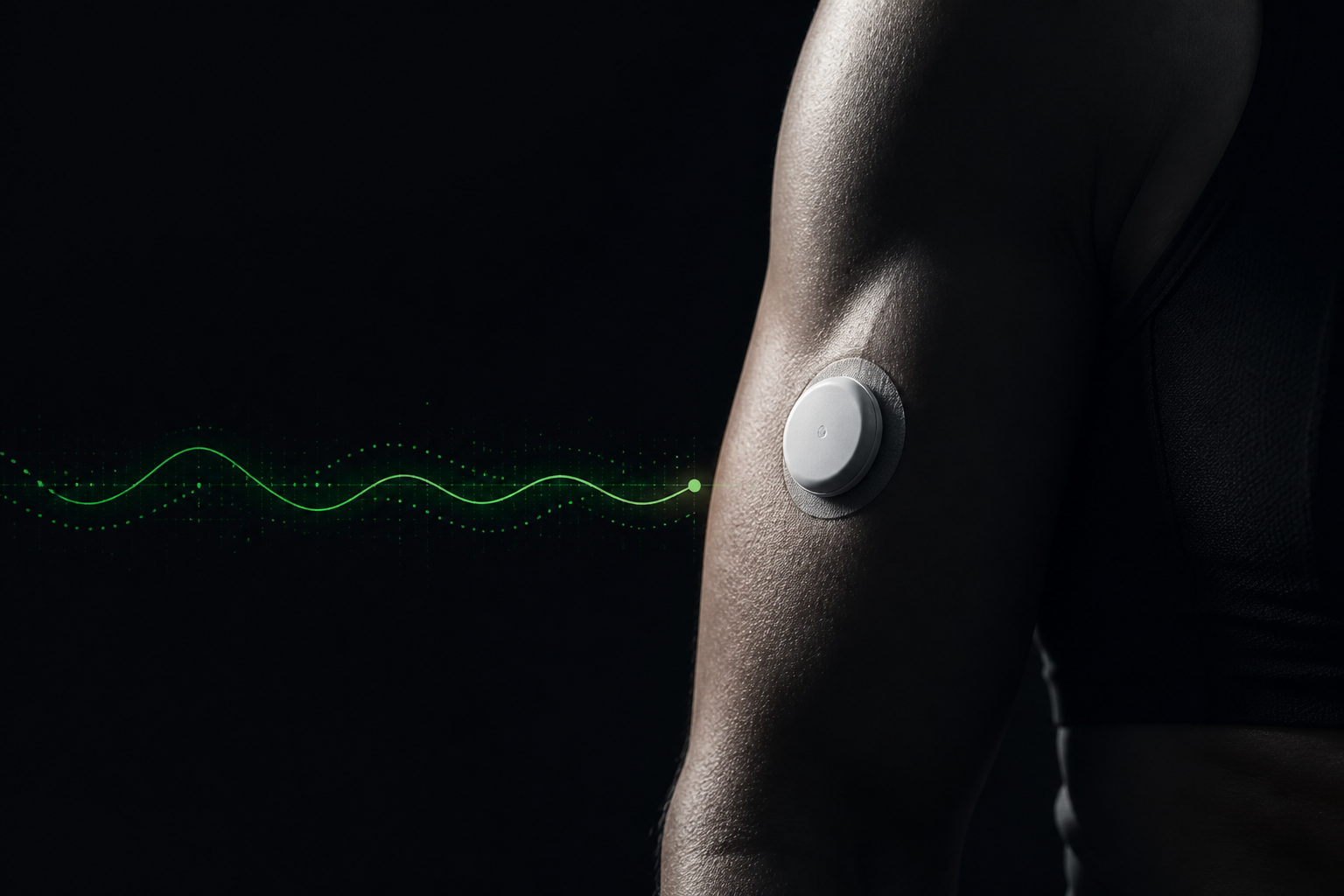
Continuous Glucose Monitors for Performance: Signal vs. Noise in Non-Diabetics
Continuous glucose monitors (CGMs) are migrating from clinical diabetes care to the performance community. Here is what the research says about tracking blood sugar for metabolic health.
Weekly research, in your inbox.
Get one carefully edited dispatch each week — the most important peptide, performance, and longevity research, distilled into something you can use.
Prefer a starting point? Grab the free 30 Peptides Codex →
A curated stack
Pathway-level breakdowns of the most-studied peptides and protocols.
Editor-tagged papers with practical translations of the findings.
What is working, what failed replication, and what to actually try.
Common questions
What does Control The Fight cover?
Independent, editor-reviewed research on peptides, recovery, performance, metabolism, cognition, and longevity — distilled from the primary literature into practical briefings.
Is this medical advice?
No. Everything published on Control The Fight is educational reporting on published research. Speak with a qualified clinician before starting any protocol.
How often is new research published?
A new dispatch goes out weekly to newsletter subscribers, with additional briefings and category updates published throughout the month.
What is the free 30 Peptides Codex?
A curated reference guide to 30 of the most-studied peptides — mechanisms, evidence quality, and use-cases — free to every newsletter subscriber.